Independent Cities
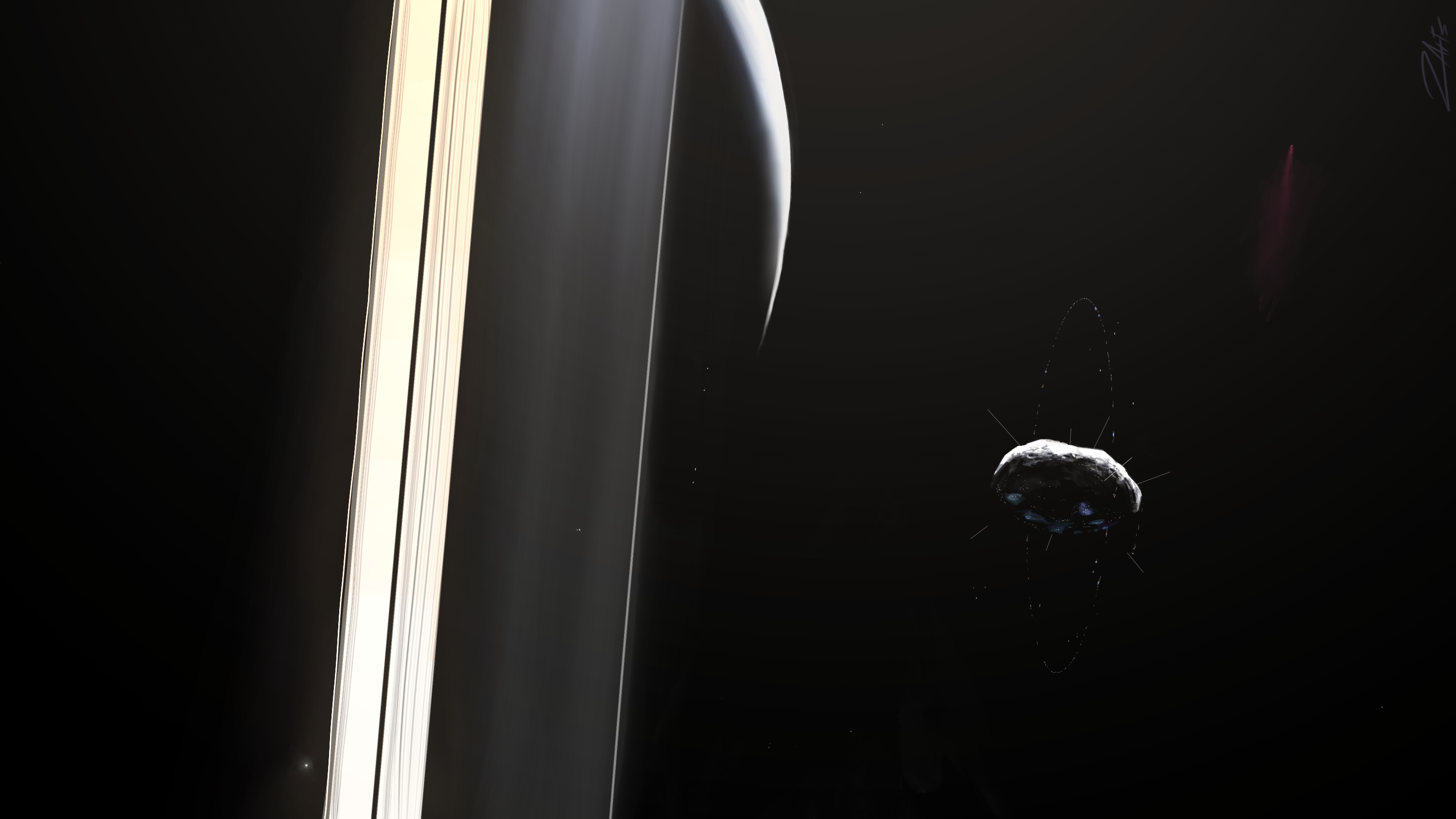
Nation building didn’t end with Earth. Even before the Iceland Event, cities in deep space were freeing themselves from terrestrial ties in pursuit of self governance. Historically speaking, when left to it’s own alliances and internal politics, an orbital that goes without incorporation in a larger entity tends to form it’s own nation-like identity. Indeed, many actually refer to independent orbitals as true city states. Because orbitals tend towards a state of equilibrium between production and waste, expansionism rarely comes into play without constructing more space habitats.
There are hundreds of independent cities, especially when including small settlements on Mars and Earth and the tiny realms in the Oort. What follows is a list of some notable cities.

Kai Mode
Population: 2,450,800
Region: Mars

Kai Mode is famous for resisting incorporation with the states of Phobos during the dark, post-TIE decade. Today, they remain a powerful neutral entity within the Martian sphere. Among many other things, Kai Mode has a well developed entertainment industry and influences the interplanetary film and theater markets.
Mirasuta
Population: 45,300
Region: Mercury

Mirasuta was a small, captured asteroid settlement within the Mercurian sphere, established in 2178. When the Terran Impact Event occurred, the asteroid facility boasted a population of 380. In 2183, after catastrophic power failure, Mirasuta reestablished contact with the Mercurian states, now with a population of 52, including three children who had been born during the dark years. Mirasuta is a name now synonymous with tragedy and survival. A million stories emerged from the apocalypse, but the Mirasuta Three is perhaps the best known amongst spacefaring civilizations.

In the recovery years, Mirasuta remained stoically independent, bent on growth and establishment. A human centralist religion, Third of Irons, emerged in the early 2200s. The cultural zeitgeist inherent in the city during the recovery resulted in a new formal governance, the Free States of Iron. During this time, Mirasuta claimed and began developing several other Mercury crossing asteroids.

Today, the Free States are still small. Mirasuta has seven additional asteroid settlements and a population of only 45,000. Yet their story is well known and Third of Irons has spread to remote corners of the inner solar system.
Terrocavi
Population: 56,900
Region: Neptune

Terrocavi was one of the first major orbitals in the Neptunian system. Though smaller than many that would follow, it is none-the-less quite famous for being a gateway city and the focal point for early Neptunian transits.
Conferito Grace
Population: 18,900 Permanent party, ~140,000 transitory visitors)
Region: Earth-Venus

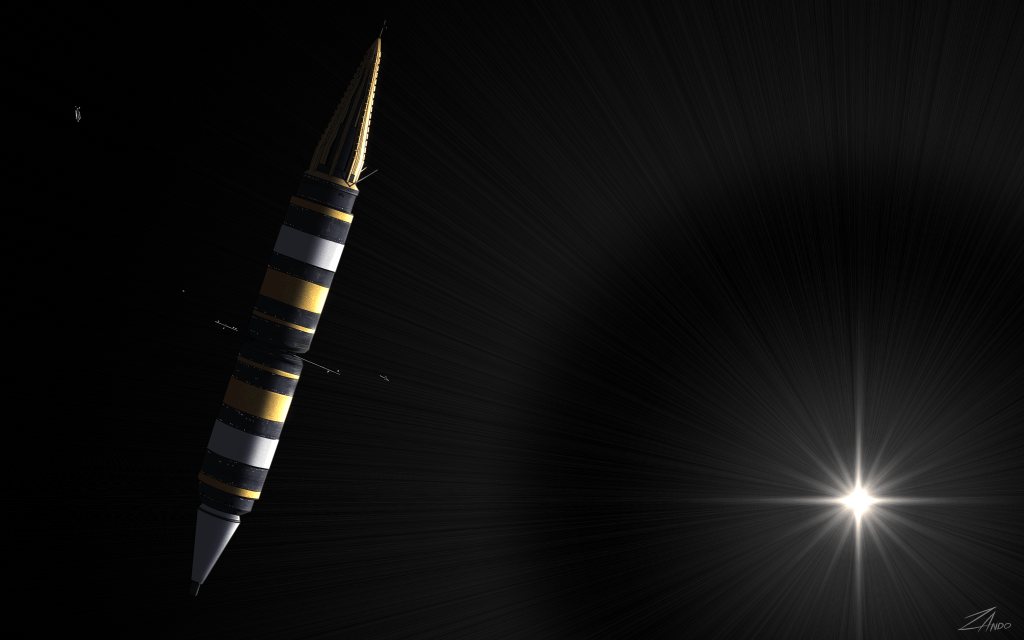
The holy sanctuary of New Vatica. The Holy Star is one of the most visited orbitals in the inner solar system and home of the Holy See.
Epti Social
Population: 53,500
Region: Jupiter Trojan

Epti Social is the oldest pure democracy in the solar system, utilizing a daily electronic polling system that every citizen participates in. The polling system was initiated in 2215 and with the exception of scheduled maintenance (in which a backup system was utilized), the democratic polling system has been running uninterrupted for 233 years.
Glassworld
Population: 343,400
Region: Earth-Mars

Glassworld is a pre-TIE city built out of a deconstructed near-Earth asteroid. The city was originally built on private investment, but gained independence after the loss of Earth. Because Glassworld was primarily an agricultural ring, it faired decently well during the sundering.
Aster Roil Social (15 Eunomia)
Population: 23,500
Region: Main Asteroid Belt

Aster Roil was a spacecraft servicing port in the Main Belt. It served as a stockpile center for bulk fuel and fuel processing. At the time, it was a privately owned sphere, captured by Earth investors that ceased to exist during the cataclysm. Aster Roil survived independently, buying and selling fuel and expendables to anyone who came knocking.
Ceres
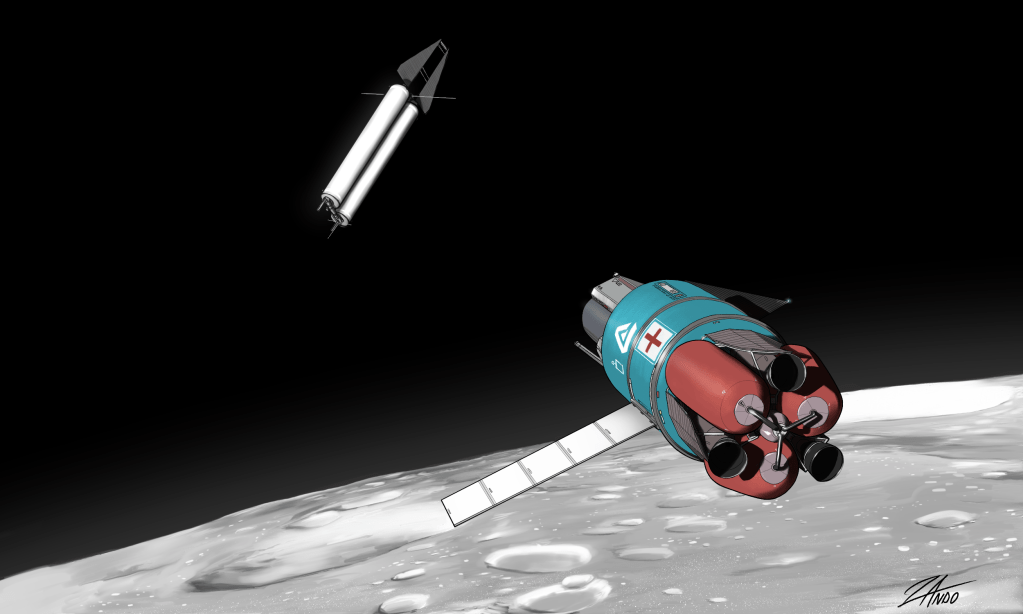
A rescue craft coasts towards an orbital over Ceres
Population: 3,237,800
Region: Main Asteroid Belt

The inner-system dwarf planet is home to several cities, including a few orbitals. Ceres is known to be one of the first mining targets in the asteroid belt. Until industry developed at Jupiter and Saturn, the Ceres sphere was perhaps the largest deep space hub for construction materials and ice shipping.
Gaestock
Population: 71,300
Region: Earth-Mars

Gaestock is a cultural unity that, with only minor exceptions, does not support mindscape networks. The "quiet" orbital only briefly utilized public networks in 2231, then decommissioned them after numerous technical issues. Today, Gaestock takes pride in it's unconnected status. The community still takes wired and wireless communications, but generally enjoys a slower, less colorful pace of life. Some people actually take Gaestock sabbaticals during which they live disconnected for a few months or years.
Mal
Population: 15,250
Region: Oort Cloud

Mal is one of the most communicative Oort Cloud cities. With a perihelion of 908AU, roundtrip signals with the core solar system takes many days. Still, Mal manages to play a very minor role in system politics. It is known that the remote orbital has intercepted a long period comet and is thriving.
L’étoile Glacée (4 Vesta)
Population: 2,850,900
Region: Main Asteroid Belt

Vesta, along with Ceres and Hygiea, were once the peak of human industry in space. All three were mined for water ice and volatiles early on. Vesta was first surveyed and visited in the mid twenty-first century, though permanent human habitation wouldn't begin until 2132. Vesta still benefitted from the ice business in the post-TIE era, but profitability diminished as settlers moved into the outer solar system.
L’espoir de Jean (511 Davida)
Population: 411,600
Region: Main Belt

Jean Davida is another example of early deep space mining. The city state gained independence from it's parent conglomerate in 2179, just years before Earth went dark. The asteroid suffered a rough decade beyond that, but was eventually able to reestablish trade with other asteroid settlements and Mars. Today, like many main belt nations, Jean embraces a heritage of trade and cultural diversity.
Tor Luminosa (52 Europa)
Population: 2,129,300
Region: Main Belt

Like most large, main asteroid belt cities, Tor Lumi began as a mining colony. Though several hundred people were living on and around it at the time of the Iceland Event, it was abandoned when further habitation seemed untenable. Many of those operators returned in 2293 to reclaim their facilities after the mining companies collapsed.

Hygiea
Population: 1,176,100
Region: Main Asteroid Belt

Hygiea was a mining and fabrication hub during the pre-TIE era. Like Ceres, it witnessed a substantial boom in industry following the cataclysm as demand for materials, fuel and water spiked.
Rittik
Population: Unknown
Region: Pluchar

Easily one of the most mysterious orbitals in Sol. Rittik silently orbits high over Pluto and Charon, responding to no one and accepting only it's own autonomous spacecraft. The double-ring orbital participates occasionally on matters of the Kuiper Alliance through electronic, coded correspondence only. The orbital occasionally buys resources and materials and accepts them through automated shuttles. None of what is purchased is particularly out of the ordinary. It is unclear if anyone is actually living within Rittik and many contemplate if a powerful curated intelligence is simply running an empty city.

The secrecy surrounding Rittik benefitted from being one of the first major projects in the Pluchar system. At the time, there were few living in system. Rittik Corporation was fast in it's procurement and construction. The company liquidated shortly after the orbital was complete. If ever there was a manifest of materials and personnel to board the orbital upon opening, it no longer appears to exist.
 Hibour